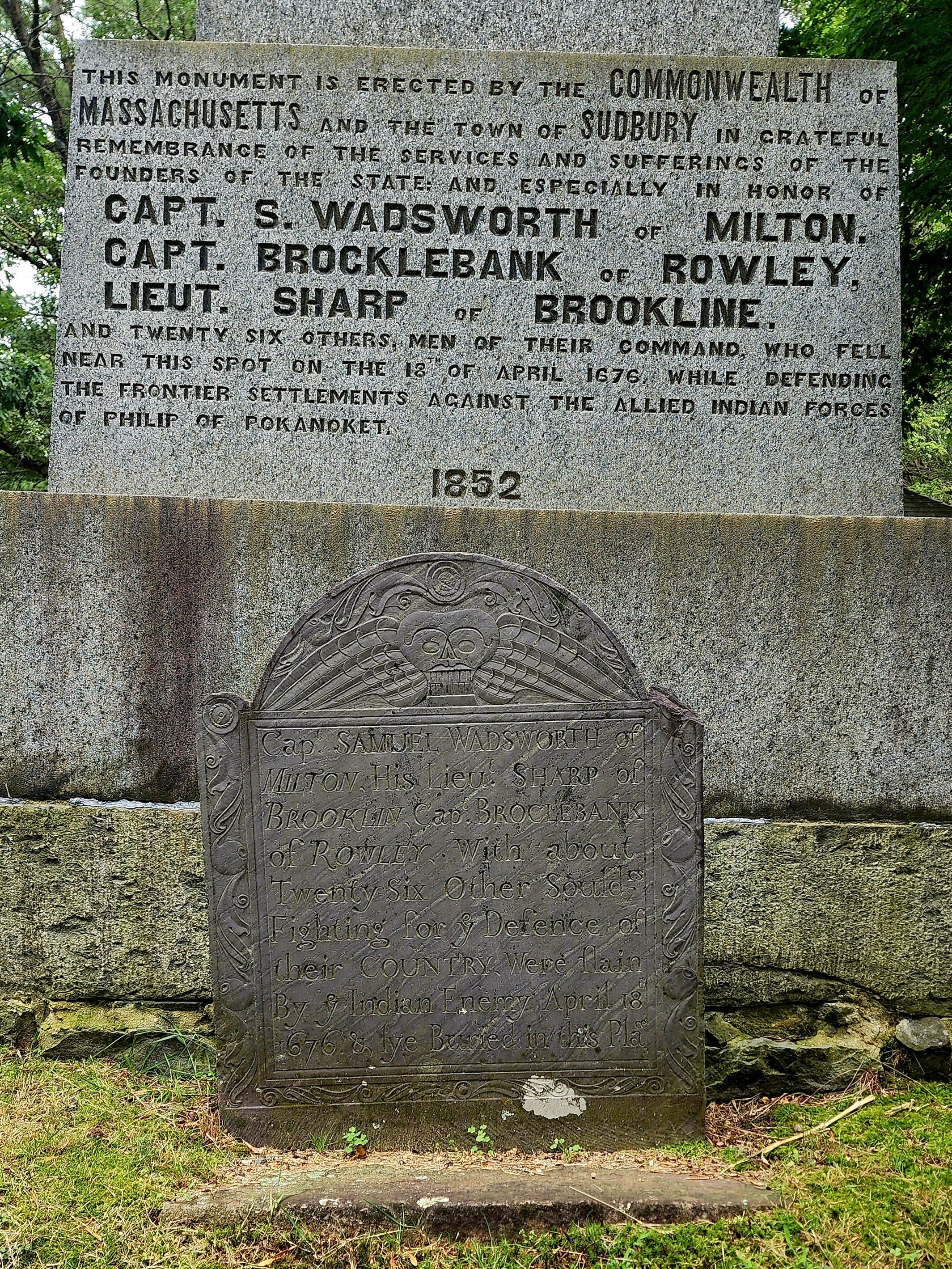
John Sharp of Brookline, Massachusetts is our ancestor, as follows…
Continue reading “Meet our Ancestor – John Sharp”John Sharp of Brookline, Massachusetts is our ancestor, as follows…
Continue reading “Meet our Ancestor – John Sharp”
This is the second installment of a three part series about the life of Philip Pearl Jr., his daughter Hannah, and their involvement in the early years of the Abolition Movement. The first installment can be found at this link.
The crisis began in January of 1833, but its roots go back many years before that.
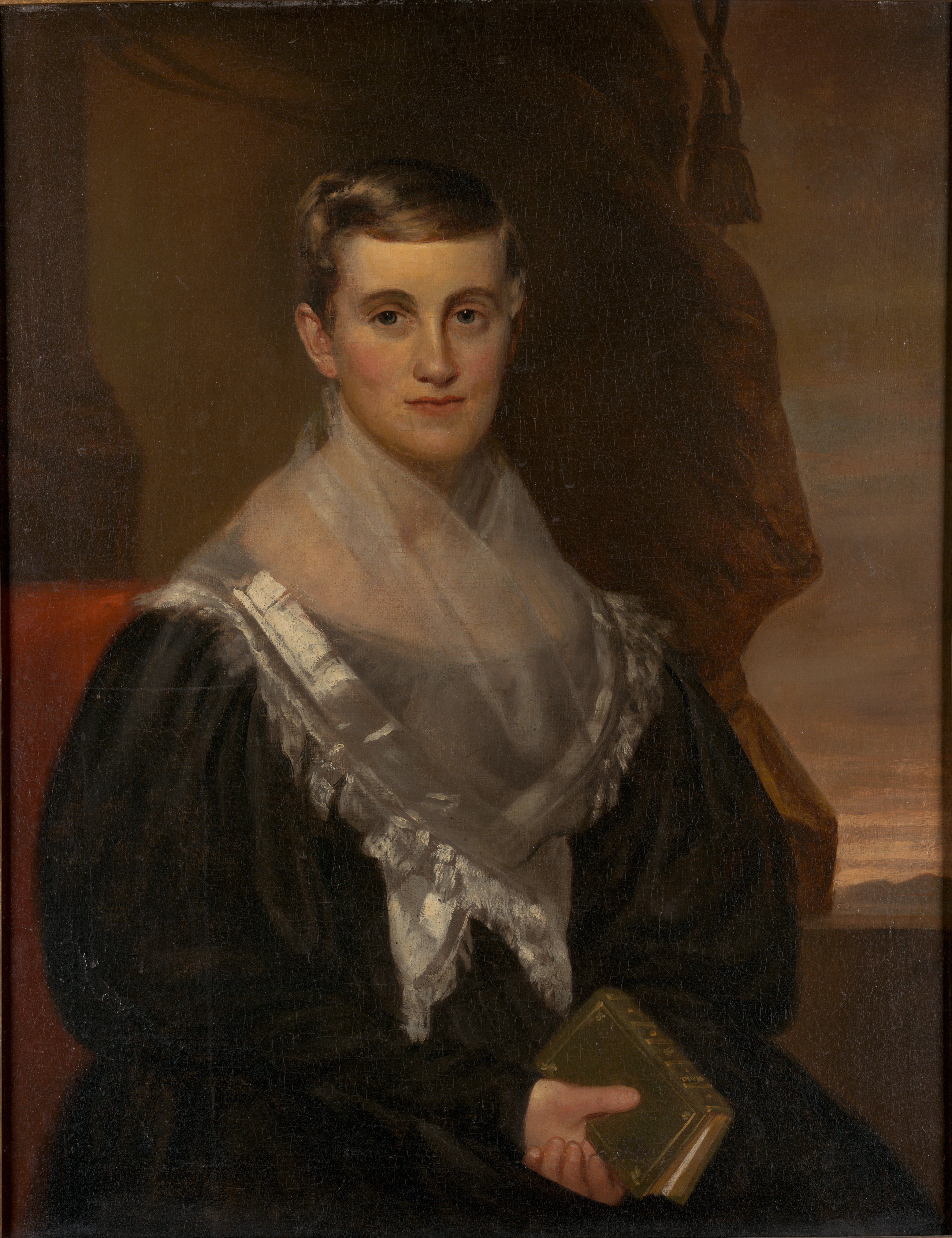
A year and a half earlier, the families of Canterbury, Connecticut invited a teacher, Prudence Crandall, to establish a “Boarding School for Girls” in The town. One reason for such a school was very obvious to many at the time.
The Erie Canal had opened in 1825, providing the first portage-free route from Albany New York to the Great Lakes. The Ohio and Erie Canal soon followed, traversing Ohio from the Ohio River north to Lake Erie, entering the lake not far from the Erie Canal’s terminus in Erie, PA. Many of the young men and families in New England, faced with a shortage of sufficient land, and with soil exhausted from a century or more of farming, were taking advantage of the new canals to move west to Ohio and beyond. During these decades, large population drops are recorded throughout the region.
Continue reading “The Honorable Philip Pearl, Jr. (Part 2 of 3)”
Our family can claim a Mayflower connection through James Chilton. Much of the following information was provided to us by Marion Emmons. Her information comes from Volume Two of the Mayflower Families Through Five Generations, published 1978. Additional information was found in Volume 15 of the Mayflower Families Through Five Generations: James Chilton – Richard More, published 1997.
JAMES CHILTON was the oldest passenger on the Mayflower. He was born about 1556 in Canterbury, Kent County, England. He was a tailor by trade and was listed as a freeman of Canterbury in 1583. Sometime before 1587 he was married, possibly to Susanna Furner, daughter of his step-mother and her first husband, Francis Furner. James and his wife had 10 children. Baptismal records list seven of those children as being baptized in Canterbury, England. About 1600 the family moved to Sandwich, England where the last three of his children were baptized. It was in Sandwich where he met other Pilgrims who later went to Holland, and he was drawn into the Separatist movement.
Our descent from James Chilton has been proved through only his eldest child, Isabella. Governor Bradford wrote that among those on the MAYFLOWER, were James Chilton and his wife, and Mary his daughter. (They had another daughter that was married who came to Plymouth afterward. It is this ‘other’ daughter, Isabella, from whom the Pearls descend.) In 1650 Gov. Bradford wrote “James Chilton and his wife also died in the first infection, but their daughter Mary is still living and hath nine children; and one daughter is married and hath a child. So their increase is ten.” James died on 18 December 1620, scarcely a month after signing the Mayflower Compact. He was the only signer who died at Cape Cod, while the MAYFLOWER was docked in Provincetown Harbor. His wife died soon after, sometime after 21 January 1620/1.
79th Annual
PEARL REUNION
Hampton, Connecticut
12:30 pm – 5:00 pm
Sunday, July 29, 2018
Neal and Mary Ann Moon will host this year’s annual Pearl reunion at their home in Hampton.
The reunion will begin at 12:30 PM with a pot luck luncheon and will last until about 5:00 PM. A brief business meeting will be held after lunch. Neal and Mary Ann will be supplying all of the paper products, plastic ware, and beverages.
Bring your favorite outdoor chair and a pot luck dish to share. There is plenty of space outside so bring along any games or activities you wish to play.
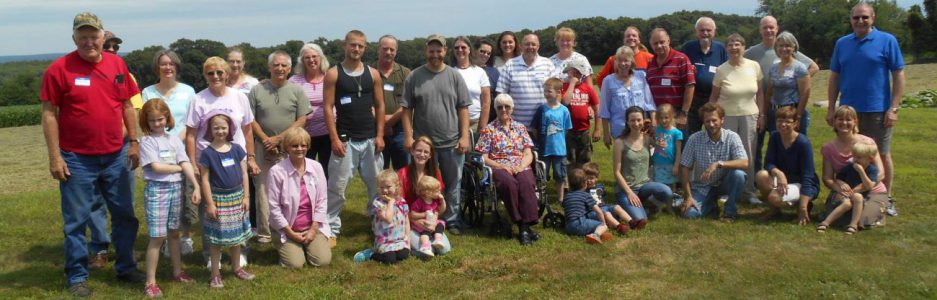
There will be an opportunity to share family news and take a family photo.
The reunion will be held rain or shine.
Bring any updates of family history so we can pass these on to our family historian, Deborah Macha.
Alma Graham is trying to capture as many email addresses so that future invitations may be emailed instead of sending paper notifications.
Feel free to pass this on to other family members that we may not have addresses for.
For more information; or to send us updates on contact information, family news, family history, etc.; please contact us at FamilyHistorian@ThePearlsOfHampton.org.
…And please be sure to check out our Facebook page!
See you on July 29th!

Introduction (by Dorothy Overbaugh Vander Meulen)…
The following is a transcript of an old, typewritten letter sent to me by our cousins, James and Ann Estabrooks. Jim has given permission for this to be published on Pearl sites and for this, I thank him for sharing this treasure, not only for myself, but also for our family.
This letter dates from 1901 and was sent by Frank C. Lummis to Elmer C. Jewett. It is a testimony of the appreciation and love, that those who knew her, had for Eva Maria Pearl who had died the 8th of July 1901, unmarried, at age 25. Eva was a school teacher and had taught in one room school houses in Hampton and in Chaplin. There is reference in the letter to her failing health. My mother told me that Eva died of tuberculosis and, in the last days or weeks of her illness, had been nursed at home by her family, till her death. She is buried in Hampton’s North Cemetery.
My Mom’s middle name is Eva, after her aunt. Eva Pearl was the oldest child of seven. Her parents were Austin Eugene Pearl and Mary Emma Weeks. In chronological order, the children were: Eva, Arthur, William (my grandfather), Reuben, Mary, Florence and Evelyn (Jim Estabrook’s Mom.)
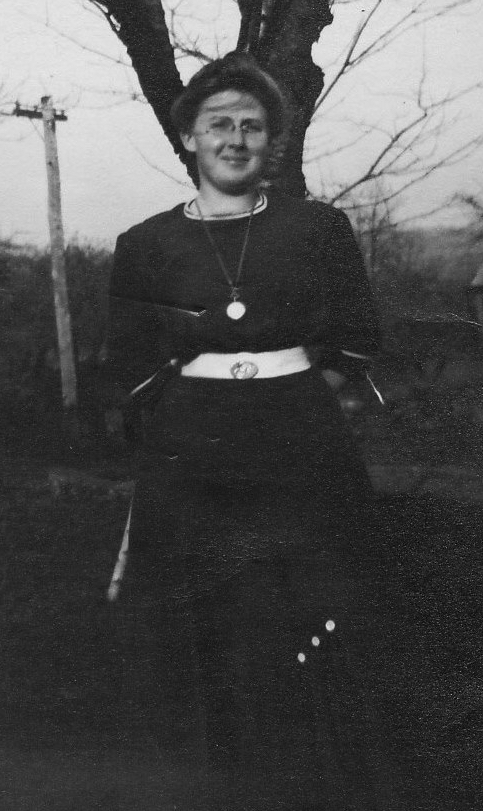
The photographs of Eva Marie Peal and her school handbell were contributed by Carolyn Stone. We do not have a group photograph of Eva and her family; but will happily share one here if found, as well as other images and mementos of her. As always we are eager to share family stories, images, and information through this site.
Chaplin, Conn.,
Oct. 12, 1901
Mr. Elmer C. Jewett,
Clark’s Corner, Conn.
My Dear Sir:-
I gladly comply with your request and have sent you a copy of our town report for the past school year. It came within the province of our acting school visitor to report concerning the death of Miss Eva M. Pearl, and to officially express the sense love felt by all who had an interest in the welfare of our public schools. But the scope and limits of an official report do not permit of an adequate testimony to her character and worth, and although it may seem somewhat presumptuous for one who had known her but two short years, to express to her friends and associates from infancy, so imperfect an estimate of the qualities of mind and heart, which endeared her to those with whom she came in contact, in her line of duty as a teacher. I would beg leave to add to the tribute which Mr. Frary has so fitly borne to her memory in the funeral address and in his official report, my personal view of one of the best and most successful teachers we have had for many years.
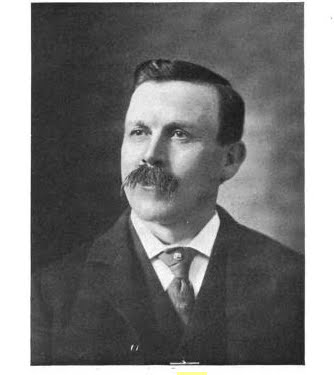
I recently came across this short biography of Austin, my great great grandfather, in “Taylor’s Legislative History and Souvenir of Connecticut, 1901-1902; Portraits and sketches of State Officials, Senators, Representatives, etc. (Volume 3)” By William Harrison Taylor, copyright 1901, as found on Google Books.
 Austin Eugene Pearl, of Hampton, is a native of the town he has the honor to represent in the General Assembly. He is the son of John P. and Maria (Jewett) Pearl and was born January 11, 1852. He received his education in the common schools of his town. He has always lived in Hampton, except three years, 1871 to 1874 in South Manchester. He is a successful carpenter and builder and is also engaged in farming. He is a staunch Democrat and has been honored many times by his townsmen. He has been a Selectman for thirteen years, Grand Juror, Justice of the Peace, School Visitor, Assessor, Constable, member of the Board of Relief, etc. He has held all these offices in a pleasing and efficient manner. He is a member of Little River Grange, has been Master two years and Overseer two years in the Grange and is a member of the United Order of Pilgrim Fathers.
On July 25, 1875 he married Mary E. daughter of Sylvanus Weeks. Seven children have blessed the union: Eva M., born June 30, 1876, died July 8, 1901; Arthur E., born May 28, 1878; William A., born May 15, 1880; Reuben E., born November 30, 1885; Mary A. born October 20, 1888, Flora B., born April 30, 1891; Evelyn M., born April 13, 1899.
Austin is just one of the many Pearls from Hampton who have served in the Connecticut State Legislature and other Statewide and local offices. His Father in Law was Sylvanus Weeks, of whom we have a portrait that can be seen in this earlier posting…
You are invited to the 78th annual
PEARL REUNION
to be held at the home of Russell and Sue Gray
12:30 pm – 5:00 pm on Sunday, July 30, 2017
Russell and Sue Gray will be hosting our 78th Annual Pearl reunion at their home and farm overlooking the rolling hills of Sterling, Connecticut. They will be supplying all of the paper products, plastic ware, beverages, hotdogs and rolls. Bring your favorite outdoor chair and a pot luck dish to share.
There is plenty of space outside so bring along any games or activities you wish to play. The Grays have offered two sets of “Cornhole”, Volleyball and a Slip & slide (kids might need a change of clothes). They also have several pedal tractors for the little ones, croquet, soccer balls, etc.
The reunion will begin at 12:30 PM and will last until about 5:00 PM. In addition to plenty of time to relax and visit, there will be a potluck lunch and a brief business meeting. After the business meeting there will be an opportunity to share family news and take a family photo.
The reunion will be held rain or shine.
This year we are asking anyone who would like to, to bring along any photos that are special to them of past reunions to share.
You can contact us through this website’s Contact Page for…
Feel free to pass this on to other family members that we may not have addresses for.
Be sure to check out our Facebook page, The Pearls of Hampton.
We thank the Gray family for their generous offer to host our family gathering this year!
See you on July 30th!
Sitting at the curve of old Route 6 where it meets Main Street in Hampton, Conn. is a unique house that has stood as witness to Hampton events and history for some 80 years. It is an amazing house which reigns large in my memories from childhood.

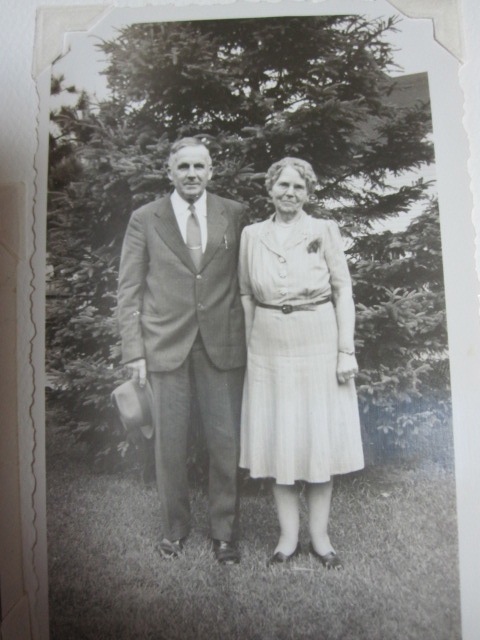
My mother, Dorothy Pearl Overbaugh grew up in Hampton with her 2 sisters and brother in a farmhouse at the foot of Hammond Hill. My Grandpa William A. and Grandma Mabel Pearl farmed there for many years. After her death in 1929 and their daughters marrying and moving away, Grandpa, who avidly read the National Geographic magazines he subscribed to, took a train trip to fulfill a dream of traveling to some of those marvelous places he’d read about. On that train trip, he met a widow, Elizabeth McDuffee Fero. They fell in love and soon married. In the early 1930’s, Will and Elizabeth sold the farm to Will’s son, Bill, and moved to the top of Hampton Hill into a newly built home on Main Street and Route 6.
I grew up in Waterbury, Conn. Our family made summer pilgrimages to Hampton to escape the city and revel in the clean air and loveliness of the old village of Hampton. For Mom it was a coming home. For me, as a child, Hampton was a new world of freedom, family and fun. We often stayed with Grandpa and Grandma Elizabeth in that big house on Hampton hill. Entering the house from the big front porch one was immediately aware of the sweet, fresh smell of wood. Even today, most of the beautiful wood trim in the house is unpainted and the wood smell is still detectable. The rooms were large and filled with light, the large, open kitchen where Grandma made the most delectable pancakes, fried chicken, baked beans and pies, always smelled inviting. I am sure that she was a star at church pot luck suppers!
Immediately upon entering my grandparents home, I would first stop to enjoy a winter scene of miniature people skiing and iceskating in the little landscape of a snow covered hill and pond. It sat in a glassed-in book cabinet directly opposite the front door. I would then make my way into the kitchen where there was an old secretary desk with space underneath covered by a little curtain that held an old wooden box of blocks and toys. That toy box was brought up to one of the front bedrooms on the 2nd floor for me and set on the wood floor at the foot of a bed where I was free to create imaginary cities, towns, castles, etc. to my heart’s content.

To me as a child, this house was a marvel, and it evoked wonder, pleasure and memories that I have never experienced from any other place. It struck me, when I had a wonderful opportunity in recent years to revisit this special place, that as an adult it still seemed very large and still held a kind of magic for me.

As a child visiting there, I had the run of the house. Large, easy to climb stairs linked the different floors of the home. I explored everywhere and developed definite feelings for certain special spots. One was the sun room on the 2nd floor where Grandma had a day bed, wicker chairs and many flowering plants. It was open and bright and had gorgeous views of the valley and her perennial garden below. The attic was floored and held all sorts of treasures stored there. At each end of the attic were large windows which at the front overlooked the street and at the back overlooked the back yard and the valley. The large basement also had windows and was well lit. Grandpa had his workshop there and Grandma had shelves filled with her preserves and canned goods.
This house is an inviting and well designed treasure, very well constructed, and handily withstood the Hurricane of 1938 despite major wind damage to neighboring homes and structures. When we retired back to New England, had it been offered for sale, we would likely have purchased it. To me, this place in the heart of the beautiful village of Hampton, has a warm and embracing aura.
My cousin, Jim, has provided me with a wealth of stories of his growing up years in Hampton. These stories have appeared in the Family Newsletter and in this blog. Here is another one.
“Sometimes I would help my cousin, Arthur (Pearl), with his farm work, free – just as a friend. One time I was riding on the old single side sickle bar mowing machine while he pulled it with his old tractor made from an old car. For a bush stalk too big to cut, pulling the lever would raise the bar to pass over the stalk. I failed to see a thick one. It jammed the blades. Without the blades moving, the force goes somewhere else which, in that case, made the seat flip forward like a catapult. I was sent flying forward, through the air, landing on Arthur’s back. Once we learned that each other was OK, we had a good laugh.”
Arthur’s daughter, Alma, wrote to me well over a year ago, and added memories of her own about her Dad’s tractor.
“I do remember that tractor which my dad drove. It was a cut down car that was converted into a tractor. I thought that I had a photo of it, but I could not find it. I remember my dad driving the tractor and my mom on the back apparatus either cutting or raking the hay. I believe that my mom also drove the tractor so my dad could do the cutting in the back. I also remember when we got a machine that would rake up the hay and place it in the wagon so we did not have to pitchfork it in. As a kid we got to ride on the top of the wagon full of hay as he brought it over to the barn. Actually all of the neighborhood kids would show up when my dad was haying and we all would ride on top of the wagon. He had this big claw that would be lowered from the barn and it would pick up the whole wagon full of hay to put it into the barn.”
Some of my memories:
I spent many an idyllic vacation in Hampton and was very close to my cousin, Joyce Pearl. She lived on the farm near the foot of Hammond Hill Rd. She and I had the barn, the pastures, in fact the whole of the valley below as our playground. Growing up on a farm, Joyce had responsibilities that I, as a city child, only had a vague idea about. One summer day when I was visiting in Hampton, I gained a new perspective of what was expected of a farmer’s child. I arrived at the farm as Joyce was helping her Dad, so I stood by watching her, waiting till she could be free to play. To my amazement and with total admiration, I watched her clamber up onto the big tractor and she drove it!!!! I am guessing we were around 10 years old. The hay wagon, piled high with hay, was parked next to the barn, directly under the hayloft opening on the top floor of that old structure. Joyce’s job was to get the hay up to that opening. A rope tied to the front of the tractor was strung up and over a pulley above the opening. The other end hung down to the ground with a large claw or tongs at the end. This claw bit into the mound of hay; Joyce carefully reversed the gears and backed the tractor up and the mound of hay slowly rose to the top of the barn directly in front of the opening where their handyman, Bert, swung it into the loft. Watching her working that big, old tractor, was an eye-opener for me in many ways, and certainly gave me an appreciation that life on the farm was not all play!
….Dot Vander Meulen
This was related to me by one of our cousins and he tells it from the standpoint of an observant child.
“Many families seemed to go to church back in those days. After the service, most people would stand around for awhile, in groups, the women talking and the men talking a little less, but appearing to be happy just to be there. I was a shy kid and therefore quiet most of the time, but I liked to watch and listen to what the older folks were doing and saying. Amy Saunders would go home after church and open up her store, located across the street from the church, just long enough for those who needed something. Because it was depression years, folks could save on gas by combining trips and do their weekly grocery shopping after church.
Meeting on the front porch of the Hampton Store was a social opportunity. In those days, the Post Office was housed in the same building as the store, an annex in the area of what would eventually become the store’s deli. Folks would meet as they came to get groceries, or their mail, and they would tarry to chat with each other.
I liked the Sunday before Christmas better than Christmas day, when we went to the afternoon church service with all the carol singing and Santa coming in with a huge bag of gifts. He gave a gift to each child there, and there were a lot of us, including those who never came the rest of the year. Besides that, I liked the feeling or spirit of friendliness and happiness that was there before, during and after the service. one good reason for my liking that day even better than Christmas was my mother, as the Postmaster, had to work half a day on Christmas, unless it fell on a Sunday. Dad had to go milk the cows at Goodwin’s farm morning and evening, every day, just like Bill Pearl, Uncle Reuben and all the other farm folks. Christmas he would go very early so to be back home in time for my sister and me to have our stocking presents before Mother went to the Post Office. She would sort through the mail to give anything that had arrived on the morning train to those who came to the office on Christmas looking for the presents they had ordered from Sears or Monkey Wards. I went over to watch sometimes. The group waiting, mostly husbands, formed a small friendly social group. It was sad to see the faces of those who turned away when Mother said, “Sorry it didn’t come, I’ve looked through everything.” I felt sorry for those guys when they got home and had to tell their wives and children. Mother would hurry home after the last person left, which was about noon time. Then she would hurry to prepare our Christmas dinner. After that we could open the presents under our tree. Then it was time for Dad to go milk the cows again.
A new social group developed at the Post Office as a result of the war. Parents and wives of guys serving in WWII would gather on the store-post office porch to wait for the evening mail to be brought from the evening train by either Will Jewett, or sometimes my Dad. Mother would sort the mail and call out the names of those there who got a letter from their son or their husband. I would hang around there sometimes to enjoy the friendly ‘we are in this together’ spirit of the group. I guess they felt it too, because most arrived very early.
The Pearl family had some good social events other than the annual Jewett and Pearl Reunions. Rotational Whist parties were held quite often at one Pearl house or another. My parents had several while living in Flora’s house (on Rt. 97). Others would bring card tables and folding chairs and food. Usually, they needed the dining table and 5 or more card tables. If someone could not come, which left an empty chair, they would let me sit in to play the dummy hand. By 2nd grade, I had observed enough to become a player, the only kid in the group. I thought that Uncle Ernest Emmons was the best player and I tried to copy his style. One thing he did was to draw out all the trump cards instead of hoarding them for a trump play later in the game, which was what the others did. He was a good mathematician. He explained the basics of algebra to me so I could understand it in a couple of hours, which the high school teacher had not been able to do. Besides just playing cards, it was a fun time. I never heard all those uncles, aunts, older cousins and my parents talk so animatedly, and laugh so much and so loudly as at those Whist parties.
Formal Whist parties were held in the Grange Hall several times a year, open to anyone, with prizes going to the top three or four winners. A large bag of groceries was a very good prize. I don’t know if the Grange ran these Whist parties or some other group. Lots of social events went on at the Grange Hall besides Grange meetings.
The Grange meetings themselves were social events, too. Every meeting had an entertainment segment which was really good. Members would create plays sometimes, or they did a musical number, or a comedy bit. Occasionally there was a guest speaker. Many Hampton families had radios and some could afford to go to a movie once or twice a month, but that was about it. So, all that free ‘homegrown’ entertainment at the Grange was enjoyed and much appreciated. They put on dinners also. Besides the good food there was the special enjoyment going to a country ham, bean, salad and pie dinner. The menu would depend on who the cooks were, but the theme was similar. Some people refer to that as ‘Americana food’ now.
The Saturday night square dances at the Grange hall were wonderful and they were held once or twice a month for several years while I was growing up. Entire families would attend.
Sorry to say, but I didn’t care much for those family Reunions when very young. The early ones were run by the Jewetts and they all seemed very serious and tended to be business-like. Then at some point, when I was a little older, the Pearls started their own reunions. Most of the Pearl reunions were held at Uncle Reuben’s and Aunt Gertrude’s place. To me, they were much nicer; just a nice big, friendly picnic.
In later years when I was working as an engineer and then in management, we had to work during the July vacation shutdown of my company to install new equipment and make major repairs. Every year we had to work 27 to 34 days in a row. That prevented me and my family from attending the reunions for years. I realize now how much I missed. Today I live far from New England. Age and health reasons prevent me from traveling that far to see friends, family and to attend reunions. That is the only downside, or negative to living where I do. Funny, I can still hear the words in my head from some of those old folks, like in Uncle Will’s voice, ‘He had no business moving way out there; he shoulda stayed home!’
If you live close enough to go to a reunion, enjoy them while you can.”
 The Pearls of Hampton